

Mesothelioma Asbestosis
The symptoms of mesothelioma and asbestosis may be similar. This is due to the fact that both conditions are caused by exposure to asbestos dust and fibers.
Patients suffering from pleural mesothelioma may receive treatments like surgery, chemotherapy and radiation. Mesothelioma has four stages that indicate how far the cancer has spread. Doctors use staging in order to determine treatment options and life expectations.
Signs and symptoms
Mesothelioma (mez-oh-thee-LEE-oh-muh) occurs in the thin layer of tissue that surrounds and protects internal organs. It is typically found in the linings of the lungs, chest cavity and abdomen (pleura) however, it may also affect the membranes that surround the heart (pericardium) or abdominal cavity. asbestos and peritoneal mesothelioma is malignant, which means it has the potential to grow and spread beyond the location of origin.
The first symptom of a non-phlegmatic cough is common. Other symptoms include fatigue, shortness of breath and weight loss. In some instances patients, there is lumps or swelling in their abdomen.
A patient's doctor may recommend a specialist if they are experiencing these symptoms. The specialist will conduct a series tests to determine whether the symptoms are caused by mesothelioma, or another cancer. Imaging scans are used to examine the lungs, abdomen or heart and perform a biopsy to confirm the diagnosis.
In the case of pleural msothelioma, there are two primary surgical options. A pneumonectomy that is extrapleural removes part of the lung affected, the diaphragm, as well as a part lining the heart. A pleurectomy or pulmonary decortication eliminates only the pleura, but not the whole lung. Radiation and chemotherapy are also options. The first utilizes high-energy X rays to destroy cancerous cells, while the second utilizes drugs like carboplatin or pemetrexed to destroy cancerous cells or slow their growth.
Patients should inform their doctor whether they've ever been exposed to asbestos. This is important, as mesothelioma can develop up to twenty years after the initial asbestos exposure. The doctor will also inquire about the frequency and duration of exposure, as these factors can impact the development of symptoms.
If your GP suspects you have mesothelioma, they will request an CT scan in order to determine how far the cancer has spread across the body. If mesothelioma has spread to the lung, they'll carry out a bronchoscopy to examine the lungs' airways as well as lymph nodes. In certain cases, a doctor may also recommend a PET-CT or chest MRI scan to determine if the cancer has been able to spread to your heart.
Diagnosis
The best method to confirm the diagnosis of mesothelioma is to collect samples of fluid or tissue. This sample is used by doctors to check for cancerous cells that are different from normal ones. A biopsy can be carried out surgically or by inserting needles. To identify mesothelioma, doctors can utilize imaging tests such as CT scans and x-rays. They may also do the positron emission (PET) scan that is used to find cancerous cells that have expanded.
Mesothelioma is difficult to diagnose because the symptoms may be similar to other diseases. For instance the chest pain that occurs with mesothelioma can be mistaken for lung cancer or heart disease. In addition asbestos-related conditions such as pleural effusion could be confused with pneumonia or bronchitis.
If doctors suspect that a patient has mesothelioma, they will inquire about the person's past exposure to asbestos and their symptoms. The doctor will also perform a physical examination and ask about the medical history of the family members. The doctor will order blood and urine testing to look for elevated levels. These tests can be conducted in the hospital or at home.
These tests will aid doctors in determining how much asbestos is present in the body, and how the organs are performing. They will also want be aware of whether the patient has had any prior surgeries. A CT scan and chest xray will be done to look for signs of mesothelioma.
If doctors suspect that pericardial Mesothelioma is present they usually order an echocardiogram. This is a test that uses sound waves to create an image of the heart. In the case of pleural mesothelioma, an MRI scan could be beneficial, as it provides detailed images of the soft tissues. A mediastinoscopy may be performed, which involves inserting a tube that contains an imager and a light into the chest to study and sample lymph nodes that are located near the center. This is particularly helpful in cases where mesothelioma has spread to these regions.
Treatment
Mesothelioma is a slow-moving respiratory disease. However there are treatments available that can help you manage the symptoms and improve your quality of living. To ease fatigue and lung pain doctors can employ drugs, techniques for draining fluids, or surgery. Doctors also can help patients deal with the loss of their normal energy levels and how that affects their daily life.
The first step in treating mesothelioma is to determine if cancerous cells are present. A biopsy is the best method to determine. In a biopsy, doctors will take a small portion of mesothelium to examine under a microscope. They are looking for cancerous cells. A biopsy is usually performed via surgery, but doctors can also carry out the thoracentesis procedure. This involves inserting an needle through the chest to take out samples of fluid for testing.
A surgeon might decide, after the test results have been received, to remove any affected parts of the body. This is most often performed to treat pleural mesothelioma but it can be performed to treat peritoneal mesothelioma as well. Pleural mesothelioma occurs in the lining of the lungs (pleura). Peritoneal mesothelioma occurs when asbestos fibers are ingested and then trapped in the digestive tract.
After surgery, patients can make steps to increase their comfort. You can do this by taking napping in the morning, planning trips to the grocery store and other activities for when you feel better and doing light exercise. Patients can also inquire with their physician about clinical trials for mesothelioma treatment. These trials are studies on new mesothelioma treatment options that aren't yet approved by the FDA.
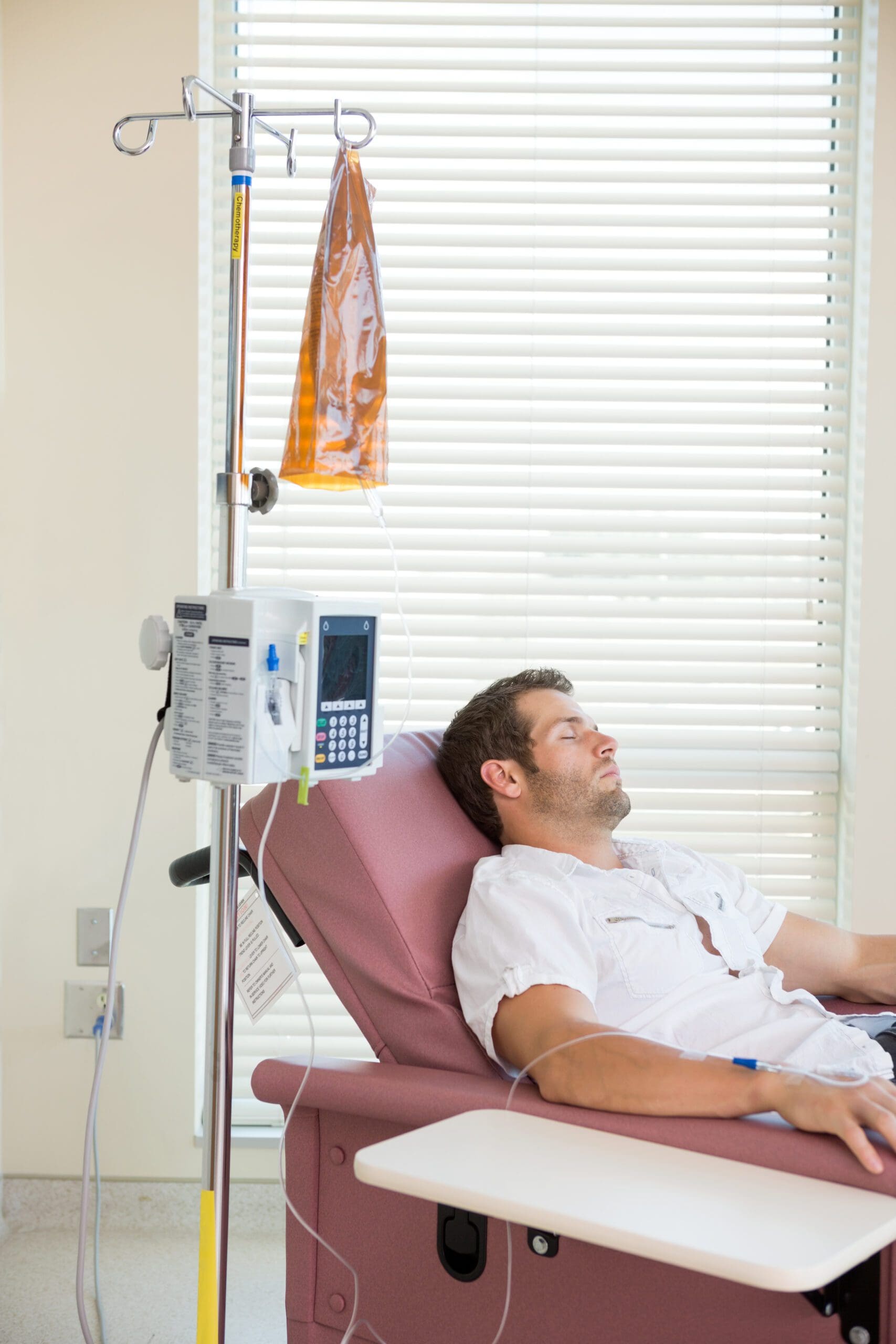
Other treatments, like radiation, chemotherapy, and immunotherapy, may be available. Chemotherapy is a method of killing cancer cells, whereas radiation and immunotherapy increase the body's natural defense system against cancer. Targeted therapy is the use of specific drugs to attack vulnerabilities within mesothelioma cancer cells. Every patient's experience is distinct. It is essential to discuss with a mesothelioma specialist all possible treatment options.
Prognosis
A prognosis is a rough estimation of the extent to which a mesothelioma grows and the treatment options available. It can also tell patients how long they should anticipate living after being diagnosed with mesothelioma. The general health of a patient is also an important factor in the likelihood of them surviving mesothelioma. Patients who are healthier and have better blood tests like a normal level of haemoglobin and higher white cell and platelet counts will have a greater chance of being able to survive mesothelioma. They will also be more tolerant of chemotherapy and surgeries better than those with less general health.
Mesothelioma is a cancerous tumor that is aggressive and has a less favorable prognosis than other types of cancer. This is due to the fact that it is usually diagnosed much later, once the disease has already spread to other parts of the body. The symptoms of mesothelioma can be compared to many other illnesses making it difficult to diagnose. In some cases it can take years for a person to develop mesothelioma after asbestos exposure.
There are two main kinds of mesothelioma, pleural mesotheliom and mesothelioma peritoneal. Both are caused from asbestos exposure. This cancer affects the mesothelial tissues which cover the majority of internal organs of the body.
The cancerous cells that cause pleural mesothelioma affect the membrane that lines the chest cavity. It can also affect the membrane that surrounds the heart (pericardium) or the membrane around the testicles (testicular mesothelioma).
Asbestosis is not a type of mesothelioma but it has similar symptoms as mesothelioma. Exposure to asbestos can cause lung problems like stiffness and scarring. It is possible to develop both asbestosis and mesothelioma at the same time.
Only people who have been exposed to asbestos are at risk of developing mesothelioma. It usually develops on the chest wall and abdomen. It is not caused by smoking cigarettes and the majority of those who develop mesothelioma have been exposed to asbestos while they were working. Smokers and those with other illnesses, like diabetes or heart disease, are more likely to develop the disease.